Ear Plugs and Stretchers: Their Growing Popularity in Arts and Entertainment
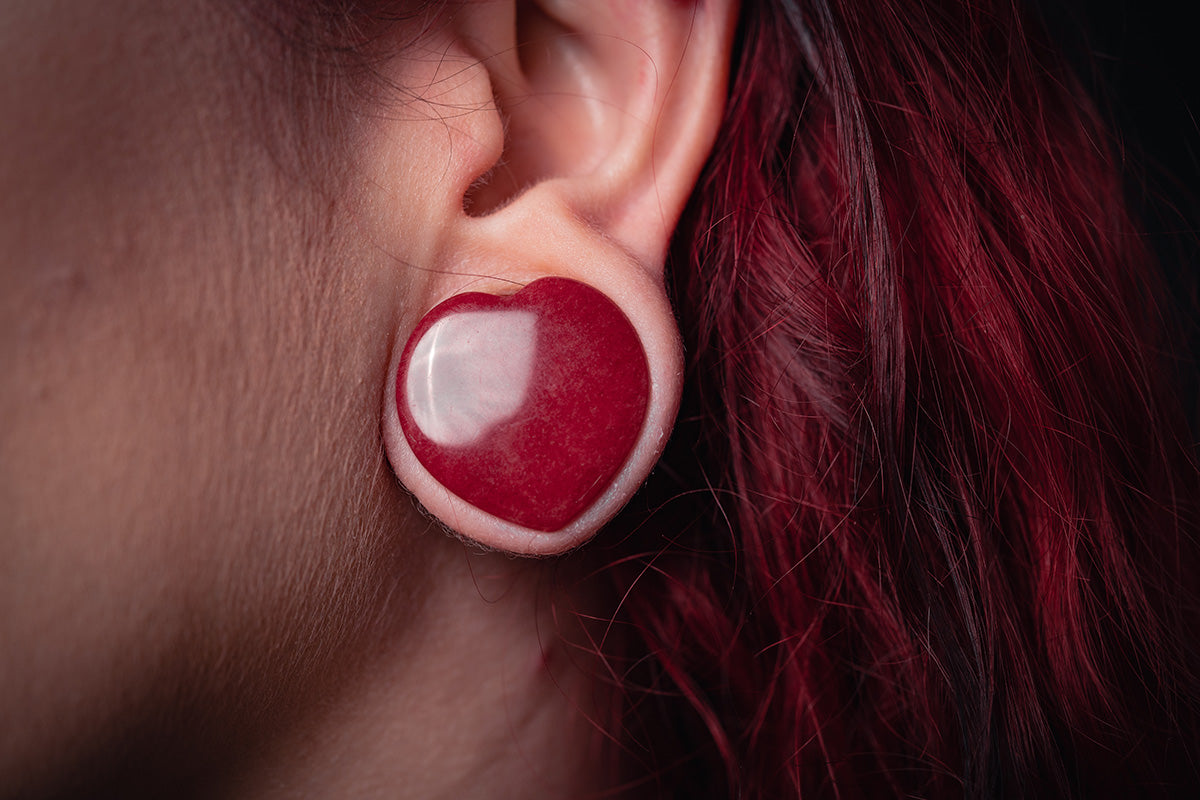
In recent years, body modification has shifted from niche practice to a widely accepted form of self-expression. Ear plugs and stretchers, once associated with small alternative circles, are now a striking presence in the arts and entertainment world. Their visibility in music, fashion, film, and performance art reflects how personal style choices are influencing mainstream culture.
This growing popularity is not just about aesthetics. Ear plugs and stretchers carry cultural, social, and symbolic significance that make them more than simple accessories. Artists, performers, and audiences alike are embracing them as part of a wider movement of identity and creativity.
Cultural Roots and Modern Revival
The use of ear stretching is far from new. Various indigenous cultures across Africa, Asia, and South America have practised ear stretching for centuries, often as part of rituals or rites of passage. These traditions viewed stretched ears as markers of status, beauty, or spiritual significance.
Today, the practice has been revived with a contemporary twist. While the cultural meanings may differ, many individuals in the arts and entertainment sector use ear plugs and stretchers to make a statement about individuality and heritage. This blending of history and modern style adds depth to their popularity.
Influence in Music and Subcultures
Music has long been a driving force in shaping fashion trends. Subcultures such as punk, goth, and metal scenes have played an important role in popularising ear plugs and stretchers. Musicians often adopt these modifications as part of their on-stage persona, reinforcing the association between music, rebellion, and alternative aesthetics.
Beyond underground genres, mainstream artists are now sporting stretched ears, normalising the look and widening its appeal. The stage, music videos, and live performances create powerful visual platforms where body modifications like ear plugs and stretchers become part of storytelling and identity.
Fashion and High Art Connections
The fashion industry has a reputation for taking subcultural trends and pushing them into the spotlight. Designers and stylists are increasingly incorporating models with stretched ears into campaigns, runways, and editorial spreads. This reflects a wider celebration of body diversity and unconventional beauty standards.
In fine art and performance spaces, ear plugs and stretchers are also used to challenge viewers’ perceptions of the body. Artists often combine body modification with costume, dance, or conceptual installations, blurring the line between fashion and art. This elevates what was once seen as “alternative” into something celebrated on prestigious platforms.
Film, Television, and Media Representation
Visual media has amplified the presence of body modifications. Characters in films and television shows are increasingly portrayed with stretched ears, often to signify strength, individuality, or connection to cultural roots.
Documentaries and social media platforms further highlight personal journeys of individuals choosing ear plugs and stretchers. These representations have reduced stigma, encouraging audiences to see them not as shocking but as a valid choice of self-expression.
Symbolism and Identity
For many, stretched ears are more than a style preference. They can represent transformation, freedom, or belonging to a certain community. In the arts, symbols carry great weight, and performers often use body modification to deepen their message.
Ear plugs and stretchers can also be seen as a physical metaphor: expanding boundaries, pushing limits, and creating space for new forms of identity. This symbolism resonates strongly in creative industries, where innovation and individuality are highly valued.
Practical Considerations in Arts and Performance
While their appearance is striking, ear plugs and stretchers are also practical in performance contexts. Unlike jewellery that can be heavy or obstructive, plugs often provide comfort and flexibility. Performers can match them with costumes, lighting, and stage design, making them versatile tools for aesthetic impact.
Artists also appreciate how easily ear plugs can be customised. Different materials, colours, and designs allow them to adapt their look depending on the performance or theme. This adaptability is one reason they continue to grow in popularity across entertainment sectors.
The Future of Ear Plugs and Stretchers in Entertainment
The trajectory of body modification suggests continued mainstream acceptance. As conversations around body autonomy and self-expression expand, the visibility of stretched ears will likely grow further. Younger generations, in particular, are viewing them not as radical but as a normal extension of personal style.
In arts and entertainment, where pushing boundaries is celebrated, ear plugs and stretchers will remain important symbols. They will continue to evolve, not just as fashion or cultural statements, but as integral parts of storytelling and performance.
Conclusion
Ear plugs and stretchers have moved from traditional cultural practices into the heart of contemporary arts and entertainment. They represent more than aesthetic choices; they embody history, creativity, and identity. Whether on stage, in film, or in fashion, they contribute to an ongoing conversation about individuality and expression.
As body modification gains wider acceptance, these unique adornments will remain an enduring and influential presence in the creative industries.

Related Posts
All You Want To Know About The Corporate Video Agency
A Peek At Video Marketing Campaigns
Details About Modern Media Production